Abstract:
Background: Innovation has always been central to the evolution of general surgery, driving safer techniques, better outcomes, and more efficient patient care. From antisepsis and anaesthesia to robotics and artificial intelligence, the specialty has consistently adapted to meet new challenges and opportunities.
Objective: This presentation explores key technological and systemic innovations transforming modern general surgery and highlights their impact on surgical practice, education, and patient outcomes.
Methods: A comprehensive review of current advances was undertaken, focusing on minimally invasive and robotic platforms, artificial intelligence–assisted decision-making, 3D printing, augmented reality, and enhanced recovery protocols. The analysis also considers the ethical, educational, and economic implications of integrating such innovations into daily practice.
Results: Innovations such as robotic-assisted surgery have enhanced precision and ergonomics, while AI and data analytics now contribute to preoperative planning and postoperative outcome prediction. 3D modelling and augmented reality have improved pre-surgical visualization, and enhanced recovery pathways have optimized perioperative care. Together, these developments have shortened hospital stays, reduced complications, and improved patient satisfaction.
Conclusion: Innovation in general surgery extends beyond technology—it encompasses system redesign, multidisciplinary collaboration, and the commitment to continuous improvement. The future surgeon must embrace digital tools, evidence-based protocols, and patient- centred thinking to deliver safer, smarter, and more personalized care.
Keywords: General Surgery, Innovation, Robotics, Artificial Intelligence, 3D Printing, Augmented Reality, ERAS, Surgical Education
Biography:
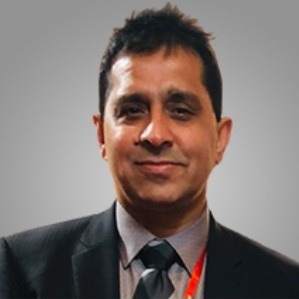
Ashfaq Chandio is a surgeon specialising in General and Colorectal Surgery with extensive clinical and academic experience within the United Kingdom and Ireland. He is currently associated with Manchester University NHS Foundation Trust, one of the largest teaching hospital organisations in the United Kingdom.
He graduated in medicine from Chandka Medical College Larkana, Pakistan, and subsequently pursued postgraduate surgical training across Ireland and the United Kingdom. During this period he gained broad multidisciplinary surgical experience including colorectal surgery, general surgery, urology, vascular surgery, emergency surgery, and breast and endocrine surgery. He holds the Fellowship of the Royal College of Surgeons in Ireland (FRCSI) and dual European Board of Surgery (FEBS) certifications in General Surgery and Coloproctology. He has also completed a Diploma in Laparoscopic Surgery in France, reflecting his interest in minimally invasive surgical techniques.
He has worked across multiple NHS organisations including Hywel Dda University Health Board, London North West University Healthcare NHS Trust (Northwick Park Hospital), and NHS Grampian. While working in Scotland, he also served as Honorary Senior Lecturer at the University of Aberdeen, contributing to undergraduate medical education and clinical training.
His clinical interests include colorectal disease, laparoscopic and minimally invasive surgery, multidisciplinary colorectal care, and surgical service development. He has also contributed to service innovation, including work related to Colon Capsule Endoscopy at Dr Gray’s Hospital.
He maintains a strong commitment to surgical education and professional training. He has taught and supervised medical students, International Medical Graduates, foundation doctors, surgical trainees, and advanced nurse practitioners. He has served as faculty for surgical training programmes delivered through the Royal College of Surgeons of England, including Basic Surgical Skills (BSS), START Surgery, and CCrISP – Care of the Critically Ill Surgical Patient. He has also contributed to MRCS examination preparation programmes, including teaching in anatomy and peri-operative care.
He has participated in peer-reviewed publications, national and international scientific presentations, and academic collaboration, and has mentored participants in international gastroenterology and surgical conferences.
His professional work reflects a continuing commitment to clinical excellence, surgical education, multidisciplinary collaboration, and mentorship of future healthcare professionals.