HYBRID EVENT: Join us in person in London, UK or attend virtually from anywhere.
7th Edition of Global Conference on Surgery and Anaesthesia

September 24-26, 2026 | Hybrid Event

September 24 -26, 2026 | London, UK
GCSA 2026

Social media in plastic and reconstructive surgery. A bibliometric analysis of the 100 most cited articles
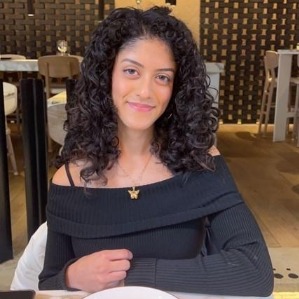
Nikita James, Speaker at Surgery Conferences
Imperial College London, United Kingdom
Title : Social media in plastic and reconstructive surgery. A bibliometric analysis of the 100 most cited articles

Abstract:

Aim: Social media plays an increasingly prominent role in plastic surgery, influencing patient expectations, marketing strategies, and professional engagement. Yet, no bibliometric analysis has examined the most influential literature in this field. This study characterizes the top 100 most cited publications on social media in plastic surgery, identifying thematic trends, study quality, and publication patterns.

Methods: The 100 most cited publications on social media in plastic and reconstructive surgery were identified using Web of Science and SCOPUS (December 2024). Data extracted included citation count, publication characteristics, journal, and thematic focus. Methodological quality was assessed using the Oxford Centre for Evidence-Based Medicine (OCEBM) Levels of Evidence (LOE).

Results: The 100 articles accrued 4,278 total citations (range 16–180; mean 42.78 ± 31.99), with Montemurro et al. (2015) being the most cited. Most studies were published in the 2010s (n = 63) and originated primarily from the United States (n = 64). Marketing and physician behavior were the most common themes, and Plastic and Reconstructive Surgery and Aesthetic Surgery Journal were the leading sources. Most studies were low-level evidence (LOE 5 n = 26; LOE 4 n = 34; LOE 3 n = 34; LOE 2 n = 5), with only one LOE 1 study. Patient-reported outcome measures (PROMs) were reported in one publication.

Conclusions: Social media remains a rapidly expanding focus within plastic surgery; however, the literature is largely low-level and seldom incorporates validated outcome measures. Addressing this methodological gap through higher-quality study design and greater attention to outcome evaluation and ethical digital engagement is required.

Biography:

Nikita James is a fifth-year medical student at Imperial College London with a strong academic interest in plastic and reconstructive surgery, particularly microsurgical reconstruction. Her research focuses on digital innovation in plastic surgery, including the role of social media in shaping clinical practice and patient engagement. She has conducted bibliometric and outcomes-based research within the specialty and is keen to pursue an academic surgical career. Her interests include reconstructive microsurgery and surgical innovation.

Watsapp